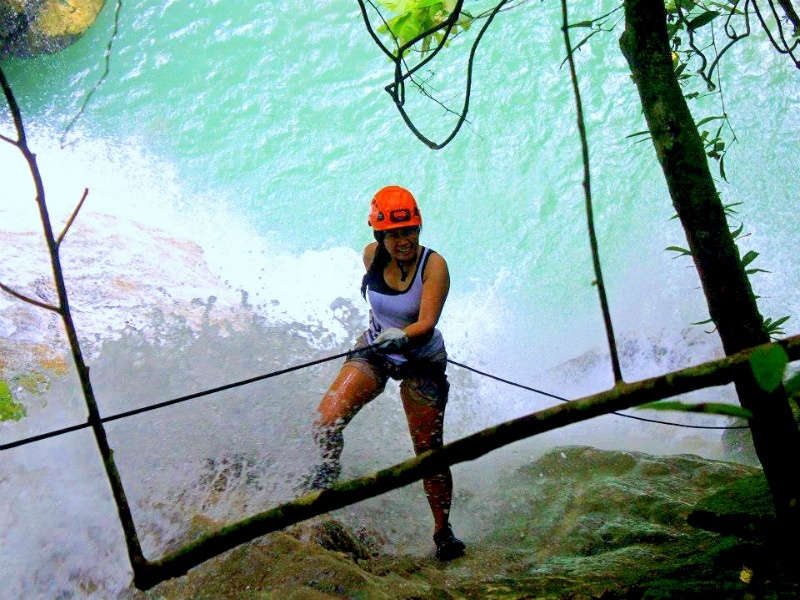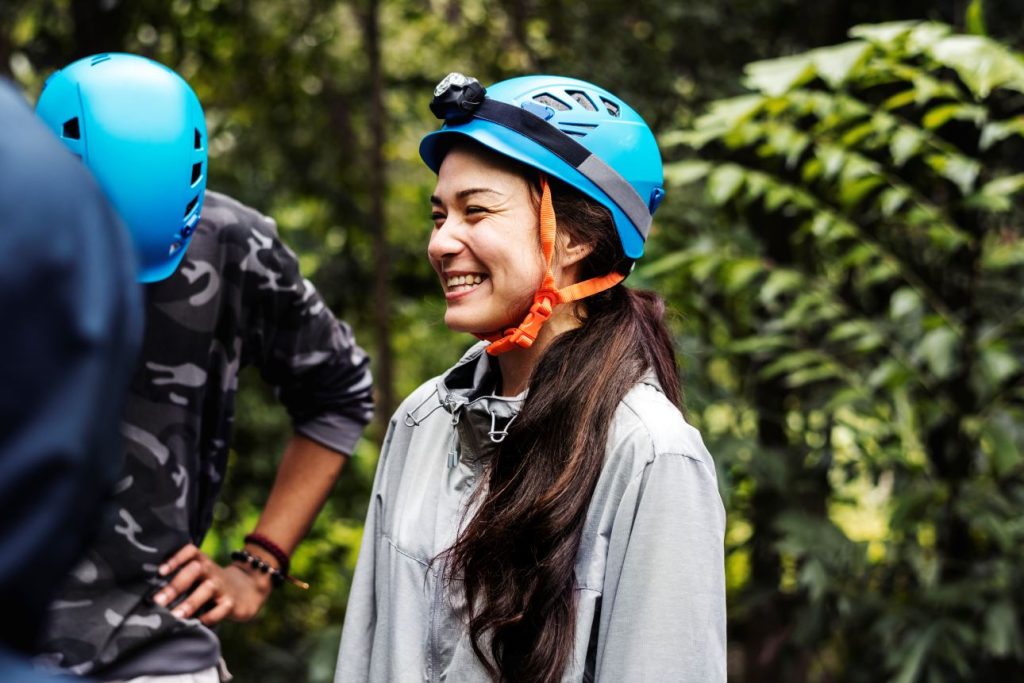
The human desire to explore, push personal boundaries, and seek out the unknown has driven progress and personal transformation for millennia. Whether scaling a sheer rock face, navigating a white-water river, or trekking through a dense, unmapped wilderness, adventure calls to an innate need within the human psyche. At its core, the psychological value of adventure is inextricably linked to the presence of a challenge. Without an obstacle to overcome, an activity ceases to be an adventure and becomes a mere excursion.
However, a critical tension exists at the heart of every adventurous pursuit. If a challenge is stripped of all risk, it loses its transformative potential, failing to foster resilience or self-discovery. Conversely, if safety parameters are neglected or ignored, adventure can quickly devolve into tragedy. Achieving an optimal balance between safety and challenge is not about eliminating risk altogether; it is about managing risk intelligently to allow for meaningful growth and exploration.
The Psychology of Risk and Personal Growth
To understand why the balance between safety and challenge is so vital, one must examine how the human mind responds to stress and achievement. Psychologists often reference the concept of the flow state, a mental zone where an individual is fully immersed, focused, and performing at their peak. Achieving this state requires a delicate equilibrium: the difficulty of the task must perfectly match the skill level of the person attempting it.
When an activity is too easy, individuals experience boredom. When an activity is far too difficult or dangerous for their current capabilities, they experience paralyzing anxiety. The sweet spot lies in the stretch zone, a space where the challenge forces a person to use every ounce of their capability, pushing just past their current comfort boundaries.
In this stretch zone, the perception of risk acts as a powerful catalyst. When a person safely navigates a situation that felt genuinely challenging, their brain undergoes a shift. This process builds self-efficacy, which is the internal belief in one ability to succeed. This newly formed confidence is rarely confined to the wilderness; it transfers into daily life, equipping individuals to handle professional stress, personal loss, and societal pressures with greater fortitude.
Defining Risk: Perceived Versus Real Risk
A fundamental element of managing safety in the adventure industry is differentiating between perceived risk and real risk. Striking the perfect balance often involves maximizing the former while strictly controlling the latter.
Perceived risk refers to the subjective feeling of danger experienced by an individual. For example, a person stepping off a platform during a commercial zip-line tour may experience a rush of adrenaline, a racing heart, and a genuine sensation of fear. To their brain, the risk feels immense.
Real risk, however, refers to the actual statistical probability of injury or equipment failure. In the case of the commercial zip-line, the real risk is exceptionally low due to redundant safety harnesses, engineered steel cables, and strict inspection protocols.
By designing experiences that feature high perceived risk but low real risk, adventure operators and educators can deliver the psychological benefits of a challenge without exposing participants to unnecessary physical harm. In contrast, extreme solo expeditions often involve a high alignment of both real and perceived risk, requiring an extraordinary level of mastery and preparation to survive.
The Pillars of Effective Risk Management
Achieving a safe yet challenging adventure requires a systematic framework. True safety in unpredictable environments relies on three foundational pillars: preparation, situational awareness, and redundancy.
Comprehensive Preparation and Training
The foundation of any safe adventure is laid long before packing a gear bag. True safety requires rigorous physical preparation, technical skill development, and mental conditioning.
- Skill Graduation: Beginners must progress through structured tiers of difficulty. A mountaineer does not attempt an alpine peak without first mastering winter camping, ice axe self-arrest techniques, and rope management on smaller hills.
- Environmental Research: Understanding the specific terrain, local wildlife behaviors, and historical weather patterns of a destination is non-negotiable.
- Physical Conditioning: Ensuring that the physical body can handle the endurance demands of the challenge prevents exhaustion, which is a leading cause of poor decision-making and subsequent accidents.
Dynamic Situational Awareness
Environments are fluid, and a safety plan created at home must adapt to real-time variables. Situational awareness involves continuously assessing the surrounding environment, the gear, and the physical and emotional state of the team. Adventure enthusiasts must remain vigilant regarding changing weather patterns, shifts in snowpack stability, or rising river levels, recognizing the precise moment when environmental conditions cross the line from a healthy challenge into an unmanageable hazard.
Redundancy and Emergency Planning
In the wilderness, relying on a single system or plan is an invitation for disaster. Redundancy means having backups for critical gear, communication methods, and navigation tools. This includes carrying a physical map and compass alongside a satellite GPS unit, packing extra rations, and ensuring multiple members of a group possess wilderness first-aid certifications. An adventure plan is only as good as its secondary evacuation strategy.
The Role of Leadership and Group Dynamics
When adventures are undertaken in groups, the social dynamic heavily influences the balance between safety and challenge. Poor group communication and psychological pressures frequently cause teams to misjudge risks.
One of the most dangerous phenomena in group adventure is heuristic trapping, where individuals rely on mental shortcuts rather than objective facts to make safety decisions. Common traps include social proof, where a person ignores a hazard because everyone else in the group appears comfortable, and commitment consistency, where a team pushes through dangerous conditions simply because they are highly invested in reaching a specific goal, such as a mountain summit.
An effective adventure leader must foster an environment of psychological safety. Every member of the team, regardless of their experience level, must feel completely free to speak up if they spot a hazard or feel overwhelmed by the challenge. The collective agreement to turn back or adjust the itinerary based on objective safety data is the hallmark of a mature, successful adventure mindset.
Embracing Failure as a Safe Outcome
To maintain a healthy balance, the concept of failure must be re-evaluated within the context of adventure. In many modern pursuits, failure is viewed negatively. In adventure, however, choosing to retreat from a challenge due to safety concerns is a profound victory of judgment.
When a climber turns around fifty feet from a summit because the wind speeds have crossed a safe threshold, they have not failed. They have successfully executed a risk-management decision. Embracing the option to turn back ensures that the adventurer survives to attempt the challenge another day. The true spirit of adventure lies in respecting the raw power of nature and recognizing that human limitation is not a sign of weakness, but an essential component of wisdom.
Frequently Asked Questions
What is the adventure paradox?
The adventure paradox refers to the conflicting human desire for both absolute safety and genuine unpredictability. Consumers often want to experience the raw thrill, wildness, and unpredictability of an adventure, yet they simultaneously expect modern standards of perfect safety, immediate rescue access, and zero physical discomfort. Reconciling this paradox requires clear communication and managing expectations before an expedition begins.
How can someone assess if an adventure challenge matches their skill level?
An individual can use the rule of progressive increments. Assess your past successful experiences in similar environments. If the new challenge requires an increase in multiple variables simultaneously, such as a significantly higher altitude, a much longer duration, and colder weather than you have ever faced, it is too large a leap. Adjust the challenge so you are only pushing one or two variables forward at a time.
How do modern satellite communication devices impact the safety balance?
Devices like satellite messengers and personal locator beacons have drastically reduced rescue response times, saving countless lives. However, they can create a false sense of security, sometimes referred to as the safety net effect. This occurs when adventurers take greater, unjustified risks or skimp on essential preparation because they believe a rescue helicopter is just a button-push away, forgetting that severe weather can prevent rescue teams from reaching them for days.
What is the difference between an objective hazard and a subjective hazard?
An objective hazard is an environmental danger that exists independent of the adventurer presence and cannot be directly controlled, such as rockfall, avalanches, lightning, or sudden flash floods. A subjective hazard is a danger that arises from human error, lack of skill, poor judgment, improper gear usage, or physical exhaustion. Risk management focuses heavily on eliminating subjective hazards to better navigate objective ones.
How does aging affect how an individual balances safety and challenge?
As individuals age, their physiological recovery times lengthen and physical margins for error decrease, often shifting their focus toward meticulous preparation and calculated risk rather than relying on pure physical output. Furthermore, accumulating years of experience generally enhances situational awareness and intuitive judgment, allowing older adventurers to find deep satisfaction in technical mastery and tactical execution over raw, high-risk physical exposure.
Why is physical exhaustion considered a major safety hazard in the wilderness?
Physical exhaustion impairs cognitive function, slows reaction times, and degrades motor skills. When an individual is completely drained, their ability to analyze complex risks, navigate difficult terrain, or make sound decisions drops significantly. Exhaustion frequently triggers simple, preventable mistakes, such as tripping over a root or misreading a map, which can escalate into a major emergency situation.