The concept of a vacation has shifted dramatically over the past several decades. Travelers no longer view a trip as merely an opportunity to sleep in a different geographical location. Instead, modern consumers seek complete immersion, sensory transformation, and a total escape from the micro-stresses of daily life. While standard urban hotels focus heavily on providing high-efficiency transit bases, luxury resorts are engineered to be entirely self-contained destinations.
The process of building a memorable resort stay is rooted in meticulous architectural design, advanced behavioral psychology, and sophisticated operational management. Elite properties do not leave guest satisfaction to chance. By systematically eliminating daily friction points and executing hyper-personalized service strategies, resorts transform a brief stay into a lingering emotional memory. Understanding the mechanics behind this operational engineering reveals how these properties capture the loyalty of global travelers year after year.
The Power of First Impressions and Arrival Psychology
The guest relationship with a resort is often solidified or broken within the first fifteen minutes of arrival on the property. Travel is inherently exhausting, characterized by long flights, tight logistical connections, and navigation anxieties. Elite resorts structure their entry experiences to act as a definitive psychological threshold, signaling to the traveler brain that the stressful journey is over and the relaxation phase has begun.
This transition is achieved through a technique known as decompression design. The approach to a luxury resort rarely features an immediate view of the registration desk. Instead, guests travel down long, meticulously landscaped driveways that intentionally shield the main property from nearby roadways. This physical distance creates an immediate sense of isolation and sanctuary.
Upon stepping out of the vehicle, the sensory shift becomes explicit. Guests are met with wide, open-air lobbies that feature sweeping panoramic views of the natural landscape, whether it is a pristine ocean horizon, a dramatic mountain range, or a dense tropical forest canopy. Rather than forcing weary travelers to stand in a traditional registration line, front-office teams escort guests to comfortable lounge seating, offering chilled scented towels to lower skin temperature and custom welcome infusions utilizing local botanicals. This decentralized check-in process removes administrative tension, shifting the guest state of mind from transactional to experiential instantly.
The Architecture of Environmental Harmony and Escapism
A fundamental element that differentiates a world-class resort from a standard hotel chain is its deep architectural connection to its immediate environment. Memorable resorts employ a design philosophy known as place-based architecture, ensuring that every structure feels like an organic extension of the local topography rather than a generic artificial placement.
Developers carefully select building materials that mirror the surrounding geology. A mountain resort in the Pacific Northwest will heavily feature rough-hewn local timber and native volcanic stone, while a coastal property in the Mediterranean will utilize sun-bleached sandstone and smooth stucco. This material consistency grounds the traveler, establishing a powerful sense of place that enhances the illusion of total escapism.
Structural Strategies That Foster Immersion
- The Elimination of Corridors: Luxury resorts frequently abandon enclosed, sterile indoor hallways in favor of outdoor covered walkways, bridges over water features, and winding stone paths through native gardens. This forces guests to continuously interact with the fresh air, natural sounds, and local flora as they move between their rooms and the public areas.
- Intelligent Sightline Control: Landscape architects design the property footprint so that utilitarian elements like parking lots, service docks, and maintenance buildings are entirely hidden behind dense berms of vegetation or clever architectural panels. Wherever a guest stands on the property, their view is restricted to pristine vistas, reinforcing the feeling of being inside an isolated paradise.
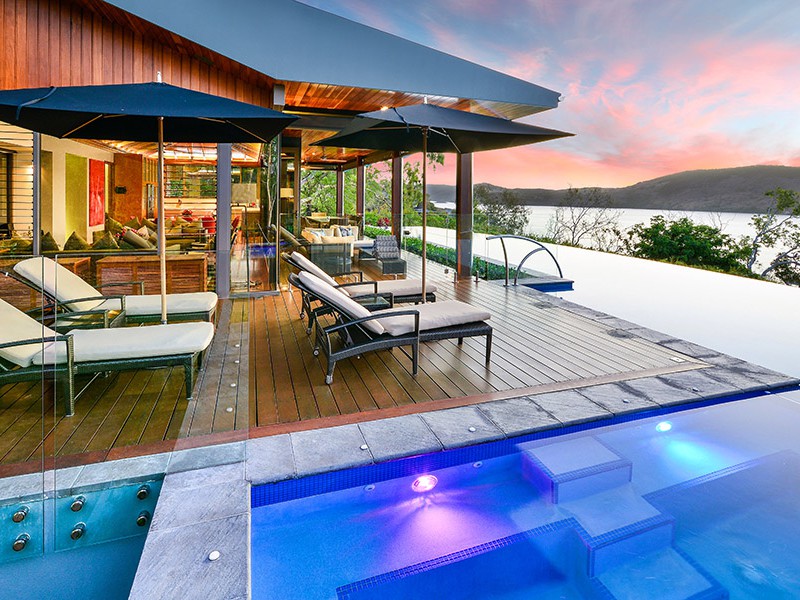
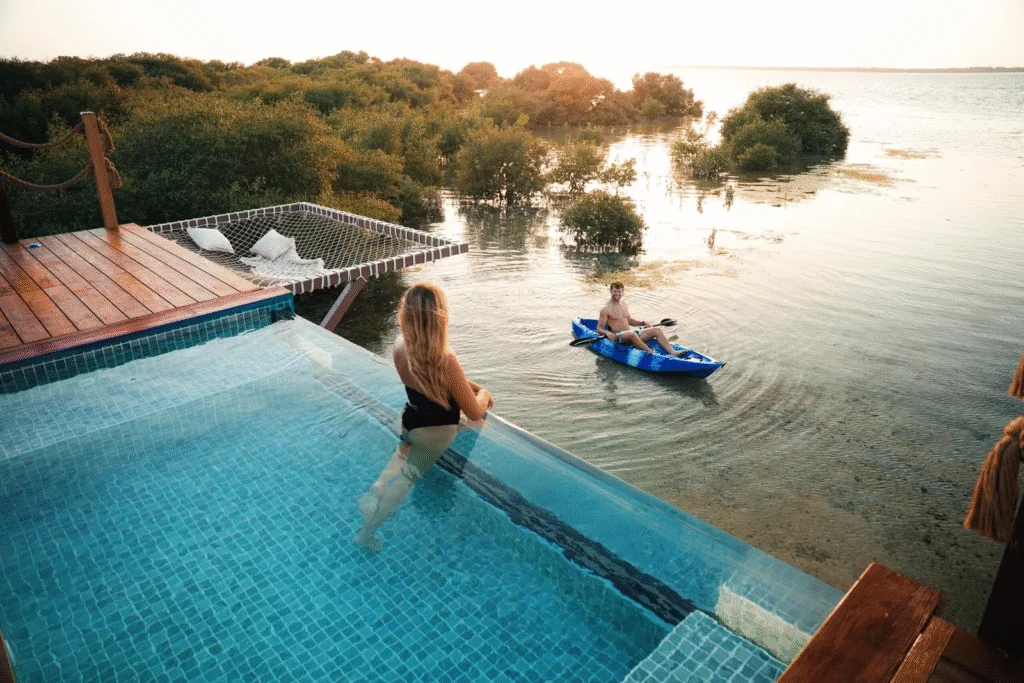
- Fluid Indoor-Outdoor Transitions: Guestrooms feature expansive floor-to-ceiling glass walls that slide open entirely, merging private balconies or patios with the interior living space. Private plunge pools, outdoor showers surrounded by natural stone walls, and daybeds positioned under thatch roofs allow guests to experience nature without sacrificing physical comfort.
Hyper-Personalization and Intuitive Anticipatory Service
While beautiful architecture provides the structural framework, the human element of hospitality serves as the emotional anchor of an unforgettable vacation. Elite resorts train their staff extensively in the art of anticipatory service, which is the operational ability to identify and satisfy a guest need before the guest ever voices it aloud.
This high level of service relies on advanced Customer Relationship Management software and rigorous internal communication networks. Every interaction between a guest and a staff member serves as a data gathering point. If a guest mentions casually to a pool attendant that they prefer sparkling water over still, that preference is instantly logged into a centralized digital profile. Within hours, the housekeeping team, the restaurant servers, and the room service operators are briefed on this preference, ensuring that sparkling water appears automatically at every subsequent touchpoint without the guest needing to re-request it.
Furthermore, properties empower their front-line staff with autonomous service recovery budgets. If a waiter notices that a couple is celebrating an anniversary, they do not need managerial approval to send a complimentary bottle of local wine to the table. This agility creates small, unexpected moments of delight that feel deeply authentic rather than corporately mandated, fostering a profound sense of being personally valued and cared for throughout the duration of the stay.
Curated Experiential Programming and Wellness Integration
Modern travelers are increasingly prioritizing active enrichment over passive relaxation. To satisfy this desire, contemporary resorts have transitioned into experiential hubs, designing comprehensive activity schedules that allow guests to learn new skills and connect meaningfully with the local heritage.
Instead of generic tourist excursions, properties curate exclusive, on-site experiences led by resident experts. A resort in Tuscany might feature daily truffle-hunting expeditions through private oak forests accompanied by trained hounds, followed by interactive culinary workshops with a master chef. A property in the South Pacific might employ full-time marine biologists to guide guests through coral restoration initiatives directly inside the resort private lagoon. These activities provide educational depth, transforming a passive holiday into a transformative journey of personal growth.
This experiential approach extends heavily into the wellness framework. Modern resort spas are moving away from standard massage menus, focusing instead on holistic, multi-day wellness journeys that incorporate native healing rituals, specialized sound therapy, and personalized nutritional programming. Fitness facilities are moved outdoors, replacing enclosed gyms with open-air yoga pavilions overlooking the water or guided wilderness runs along private trail networks. This integration allows travelers to naturally reset their physical health, ensuring they return home feeling genuinely rejuvenated rather than merely rested.
The Evolution of Resort Culinary Arts
Food and beverage programs at premier resorts have evolved into a major standalone driver of vacation satisfaction. Resorts recognize that dining is an intensely memorable aspect of any cultural journey, and they design their culinary frameworks to celebrate authenticity, sustainability, and sensory drama.
The modern standard requires an aggressive commitment to the farm-to-table movement, with resorts establishing their own organic micro-farms, orchards, and beehives directly on the property grounds. Ingredients that cannot be grown on-site are sourced strictly from local artisanal fishermen, ranchers, and cheese makers, ensuring that every dish serves as a direct reflection of the regional terroir.
Moreover, properties elevate dining by creating high-visibility, dramatic culinary environments. Restaurants are positioned strategically to maximize environmental spectacles, such as suspended glass platforms overlooking deep canyon drops or candlelight tables positioned directly in the sand at the water edge. Interactive open-kitchen concepts allow diners to observe the preparation process, turning a standard evening dinner into a multi-sensory theatrical performance that anchors the final vacation narrative.
Frequently Asked Questions
What is an all-inclusive resort and how does it manage pricing?
An all-inclusive resort bundles the cost of accommodations, all daily meals, alcoholic and non-alcoholic beverages, and standard daytime activities into a single, upfront price paid at the time of booking. This model eliminates the psychological friction of reviewing separate bills for every meal or drink during the vacation. Premium luxury all-inclusives frequently include high-end specialty dining, top-shelf spirits, and premium excursions within their base package, whereas mid-market options may charge extra for specialized amenities.
How do resorts accommodate multi-generational family groups effectively?
Resorts manage diverse age groups by designing zoned environments throughout the property footprint. They establish dedicated adults-only sanctuaries, including quiet pools, private beach areas, and fine-dining restaurants where children are restricted, protecting the tranquility needed by couples or seniors. Simultaneously, they construct high-energy family zones, interactive water parks, and professionally staffed kids clubs filled with educational activities, ensuring both children and adults find fulfillment without encroaching on each other spaces.
What steps do modern eco-resorts take to minimize environmental damage?
True eco-resorts implement rigorous structural sustainability practices throughout their daily operations. This includes utilizing advanced solar and geothermal micro-grids for total clean energy generation, employing state-of-the-art graywater recycling plants to irrigate organic landscaping, and eliminating all single-use plastics from the supply chain. Architecturally, they use low-impact building methods that do not disrupt local wildlife migration patterns or cause coastal soil erosion.
Why do some luxury resorts choose to remain highly remote and isolated?
Isolation is a highly deliberate luxury positioning strategy. By placing a property in a remote location, such as a private island or a hidden valley accessible only by boat or helicopter, the resort creates an immediate sense of absolute exclusivity, absolute privacy, and total safety from the outside world. This remoteness appeals heavily to high-profile individuals, celebrities, and burnt-out professionals seeking complete digital detachment and uninterrupted tranquility.
How do resorts handle tipping etiquette for their extensive staff?
Tipping policies vary dramatically based on the geographic region and the specific resort brand. Many premium all-inclusive properties operate under a strict no-tipping policy, incorporating a service charge directly into the base booking fee to ensure fair, equal distribution among all behind-the-scenes and front-line crew. At traditional European or American resorts, tipping remains customary for personalized services, such as baggage handling, valet parking, and private concierge assistance.
What is a boutique resort and how does it differ from a mega-resort?
A boutique resort typically features a small footprint, usually containing fewer than sixty total guestrooms, allowing for an extraordinary level of personal attention and architectural uniqueness. They focus heavily on quiet luxury, intimate spaces, and hyper-localized experiences. In contrast, a mega-resort spans massive acreage, housing hundreds of rooms alongside expansive commercial amenities like extensive shopping arcades, massive convention halls, and multiple large-scale entertainment venues.