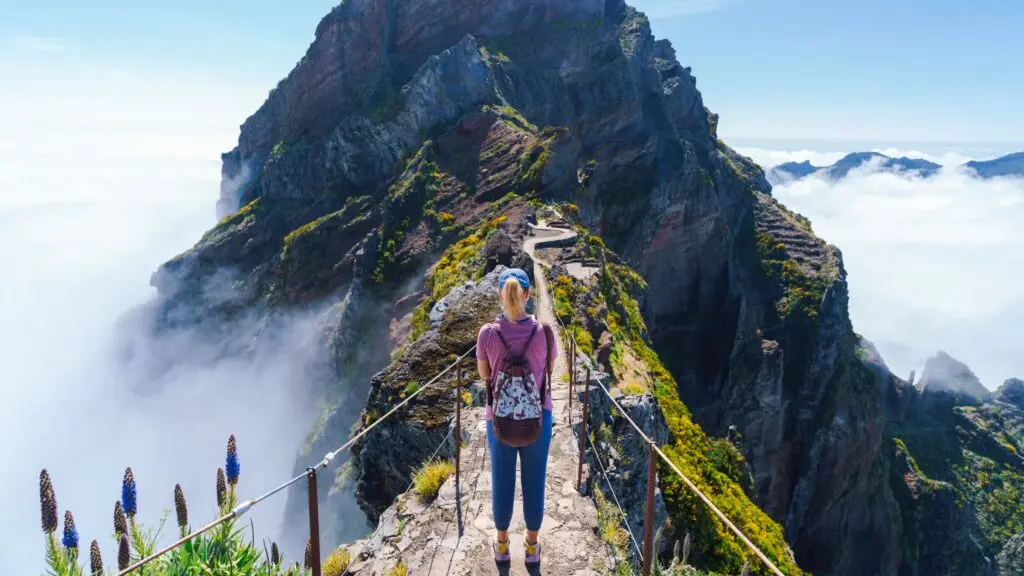
The magnetic pull of high-altitude landscapes has captivated adventurous travelers for centuries. For dedicated nature lovers, a mountain range is not merely a dramatic backdrop for a photograph; it is a complex, living ecosystem offering ultimate isolation, ecological diversity, and profound geological beauty. High-altitude environments protect rare wildlife, harbor resilient plant species, and preserve clean glacial waterways far removed from the environmental pressures of urban centers.
Global travel provides access to mountain ranges that vary dramatically in age, climate, and topography. From the jagged, wind-swept granite spires of South America to the terrace-cultivated alpine valleys of Central Asia, each destination tells a unique geological story. For nature lovers mapping out a definitive alpine travel itinerary, several premier mountain ranges stand out for their pristine wilderness and rich ecological value.
The Canadian Rockies: A Masterpiece of Glacial Wilderness
Stretching across the provinces of Alberta and British Columbia, the Canadian Rockies represent one of the most accessible yet wildly pristine alpine environments in North America. Unlike older, more eroded mountain ranges, the Canadian Rockies are characterized by sharp, limestone peaks, deep U-shaped valleys, and an extraordinary concentration of active glaciers and icefields.
The primary appeal for nature lovers lies within the contiguous network of protected parks, including Banff, Jasper, Yoho, and Kootenay National Parks. These areas are globally celebrated for their brilliantly colored turquoise lakes, such as Lake Louise, Moraine Lake, and Bow Lake. The unique milky-blue hue of these waters is a direct result of rock flour, a fine silt suspended in the water that refracts light when glacial meltwater fills the lake basins each spring.
Ecological Highlights and Wildlife
The vast corridors of the Canadian Rockies support a healthy predator-prey ecosystem that allows travelers to view wildlife in their natural habitats.
- Large Mammals: The region acts as a critical sanctuary for grizzly bears, black bears, elk, moose, bighorn sheep, and mountain goats that navigate the steep shale cliffs.
- The Icefields Parkway: This world-famous driving route connects Banff and Jasper, offering direct access to the Columbia Icefield, where visitors can stand on the Athabasca Glacier and observe the mechanics of glacial retreat firsthand.
Patagonia: The Windswept Spires of the Andes
Positioned at the southernmost tip of South America and shared between Chile and Argentina, Patagonia is a dream landscape for hikers who crave raw, dramatic terrain. The southern reaches of the Andes mountain range feature vertical granite towers, massive temperate rainforests, and the Southern Patagonian Ice Field, the second-largest contiguous extrapolar ice field on earth.
On the Chilean side, Torres del Paine National Park is the crown jewel of the region. The park is famous for its distinct three granite towers that rise vertically out of the steppe, juxtaposed against milky-blue lakes and the massive grey mass of the Grey Glacier. Because the elevations here are relatively low compared to other major ranges, hikers can explore deep into the mountain valleys without dealing with the exhausting physiological effects of high-altitude sickness.
On the Argentinian side, Los Glaciares National Park offers access to Mount Fitz Roy and the Perito Moreno Glacier. Perito Moreno is one of the world few advancing glaciers, and visitors can sit on nearby viewing platforms to listen to the thunderous roar of massive blocks of ice calving directly into Lake Argentino. The flora here is equally fascinating, dominated by hardy, wind-stunted subantarctic forests of Nothofagus trees that turn vibrant shades of red and gold during the southern autumn months of April and May.
The Swiss Alps: Preserved Valleys and Vertical Heritage
The European Alps represent the birthplace of modern mountaineering, and Switzerland offers the quintessential alpine experience where jagged peaks meet preserved pastoral meadows. The Bernese Oberland and the Valais region feature some of the most iconic mountains on earth, including the Matterhorn, the Eiger, the Mönch, and the Jungfrau.
What sets the Swiss Alps apart for nature lovers is the extraordinary integration of high-efficiency public transport and cable car networks. This infrastructure allows travelers to access pristine, car-free alpine villages like Zermatt, Mürren, and Grindelwald without the environmental footprint of personal automobiles. You can ride an electric cogwheel train up into the high alpine meadows, step directly onto a well-marked trail, and spend the day hiking underneath massive hanging glaciers.
The lower slopes are famous for their rich biodiversity, featuring subalpine forests that give way to high-altitude pastures filled with wild edelweiss, gentian, and alpine forget-me-nots. As you hike through these protected zones, it is highly common to spot alpine marmots sunning themselves on rocks or the agile Alpine ibex navigating vertical rock faces high above the treeline.
The Himalayas of Nepal: The Roof of the World
For the ultimate alpine pilgrimage, no destination matches the scale and spiritual resonance of the Himalayas in Nepal. Containing eight of the world fourteen highest peaks, including Mount Everest, Annapurna, and Dhaulagiri, this legendary mountain range offers a scale of verticality that alters a traveler perspective permanently.
The Annapurna Circuit and the Khumbu (Everest) Valley are the primary routes for multi-day trekking. As travelers walk these ancient footpaths, they experience an incredible transition of ecological zones. A single trek can begin in subtropical valleys filled with terraced rice paddies and banana trees, pass through dense forests of giant rhododendrons that bloom pink and red in the spring, move through subalpine pine forests, and finally cross into the stark, high-altitude alpine desert where nothing grows but lichens and mosses.
The cultural landscape is completely integrated with the natural environment. Prayer flags wrapped around hanging suspension bridges send blessings across deep river gorges, and stone mani walls carved with Buddhist mantras line the paths to ancient monasteries like Tengboche. This destination requires a slower, more deliberate style of travel, forcing visitors to adopt a marathon-like pace that honors the physical challenge of the mountains.
The Southern Alps of New Zealand: An Island Sanctuary
Running down the entire western spine of New Zealand South Island, the Southern Alps offer a dramatic blend of alpine peaks, native rainforests, and maritime coastal environments. This unique geography means that in certain areas, such as the West Coast, massive glaciers like Fox Glacier and Franz Josef Glacier drop down into temperate rainforests just miles from the Tasman Sea.
At the heart of the range sits Aoraki/Mount Cook National Park, home to New Zealand highest peak and the massive Tasman Glacier. The landscape is deeply prized for its pristine air quality and lack of light pollution; the park forms a core part of the Aoraki Mackenzie International Dark Sky Reserve, offering nature lovers unparalleled opportunities for stargazing and astrophotography after dusk.
The wildlife of the Southern Alps is highly unique due to millions of years of island isolation. While exploring the rocky tracks, travelers will likely encounter the kea, the world only alpine parrot. These highly intelligent, olive-green birds are incredibly curious and have adapted specifically to survive the harsh winter conditions above the treeline, adding a unique behavioral element to the natural landscape.
Frequently Asked Questions
What is the best season to visit the European Alps for hiking?
The premier window for hiking in the European Alps runs from mid-June through late September. By late June, winter snow has generally melted from the high-altitude passes, alpine wildflowers are in full bloom, and the extensive network of mountain huts and cable cars is fully operational. September offers cooler temperatures, exceptionally clear skies, and fewer crowds, though high-altitude snowstorms can occasionally arrive early in the autumn.
How do I prepare my body for high-altitude mountain trekking?
To minimize the risk of Acute Mountain Sickness, physical conditioning should focus on cardiovascular endurance and leg strength through hiking, swimming, or cycling weeks before your trip. However, the most critical factor is acclimatization during the trip itself. Sleep at intermediate altitudes, maintain a slow and steady walking pace, drink plenty of water to combat dry mountain air, and follow the classic mountaineering rule: hike high and sleep low.
Are mountain huts common in Patagonia like they are in Europe?
Yes, but they operate differently. In Torres del Paine National Park along the W and O trekking circuits, there is a well-established network of refugios that offer dormitory beds, hot meals, and hot showers. However, because Patagonia is exceptionally remote and popular, these huts must be reserved several months in advance through the specific park concessionaires. For more remote routes in Los Glaciares, backcountry camping in designated sites is the standard practice.
What unique environmental challenges do modern mountain ecosystems face?
Mountain ecosystems are highly sensitive bellwethers for global climate change. The most pressing challenge is rapid glacial retreat, which alters freshwater availability for downstream communities and destabilizes rocky mountainsides, leading to increased rockfalls and landslides. Additionally, rising global temperatures are forcing delicate alpine flora and fauna to migrate higher up the peaks, shrinking their natural habitats and increasing competition from lower-altitude species.
Can I experience the Himalayas without doing a strenuous multi-day trek?
Yes, travelers can experience the majesty of the Himalayas without undertaking grueling weeks of hiking. In Nepal, towns like Pokhara offer stunning panoramic views of the Annapurna range across tranquil lakes. You can also book short, eco-lodge stays in places like Dhulikhel or Nagarkot near Kathmandu, which are famous for their sunrise views of the Himalayan chain, or utilize short scenic helicopter tours to view high-altitude peaks safely.
Why is it important to carry a physical map if I have a satellite GPS unit?
Satellite GPS units and smartphone mapping applications are incredible tools, but they are vulnerable to battery failure in sub-zero alpine temperatures, software glitches, and physical damage from drops on granite rocks. A physical, waterproof topographic map and a traditional magnetic compass require no power source and function perfectly in deep gorges or dense forest canopies where satellite signals can occasionally be blocked or distorted.