A growing segment of international travellers is redefining what a successful trip looks like. For this group, the itinerary is not built around museums, shopping districts, and landmark restaurants alone. It incorporates structured fitness experiences as deliberate, high-priority travel activities that are planned in advance and protected from schedule displacement as firmly as any other key itinerary element. These are fitness travellers, and Singapore’s position as both a major aviation hub and a city with a sophisticated boutique fitness ecosystem makes it a particularly interesting destination for this segment.
The pattern of fitness travellers actively choosing the best gym in singapore over conventional tourist activities is not contrarian behaviour. It reflects a considered set of values and priorities that are producing meaningful shifts in how destinations develop and market their wellness and active tourism offerings.
Who Fitness Travellers Are
Fitness travellers are not a monolithic demographic. They span age ranges, professional backgrounds, and fitness levels, united by a shared prioritisation of physical activity and health maintenance during travel rather than treating travel as a pause from their normal healthy routines.
Within this broad category, several distinct sub-groups are particularly relevant to Singapore’s fitness market:
High-performing professionals who maintain structured fitness programmes as a performance management strategy and treat gym access during business travel as a non-negotiable operational requirement rather than a leisure preference. For this group, a high-quality gym session before a full day of meetings is as important to their professional performance as a good night’s sleep.
Long-stay expats and relocating professionals who are building new fitness routines in a new city and actively evaluating Singapore’s gym landscape before committing to a long-term membership. This group treats early gym visits as research rather than tourism.
Competitive athletes and serious recreational fitness participants who want to maintain training continuity during leisure travel and seek gym environments that can accommodate their specific training requirements rather than offering only basic cardio equipment.
Wellness-focused leisure travellers who incorporate fitness as a central component of their travel experience and actively seek out distinctive, high-quality fitness opportunities as part of their destination exploration.
Why Singapore Attracts Fitness Travellers
Several characteristics of Singapore’s fitness landscape make it particularly attractive to the fitness traveller segment:
The quality ceiling of Singapore’s boutique fitness market is high. Facilities, programming, and instructor standards at the top tier of Singapore’s gym market compare favourably with equivalent facilities in London, New York, and Sydney, which is the reference frame for many international fitness travellers.
Singapore’s multilingual, internationally oriented service culture makes navigating its fitness facilities straightforward for international visitors regardless of their language background. Booking systems, class communication, and studio environments are designed to be accessible to the globally mobile population that forms a significant part of Singapore’s resident and visiting demographic.
The city’s compact geography and excellent public transport infrastructure mean that high-quality fitness facilities are accessible from most visitor accommodation locations without requiring significant travel time investment. This convenience factor is a meaningful determinant of whether fitness activities actually make it into a travel itinerary or get displaced by competing demands.
The Experience Dimension of Gym-Based Fitness Tourism
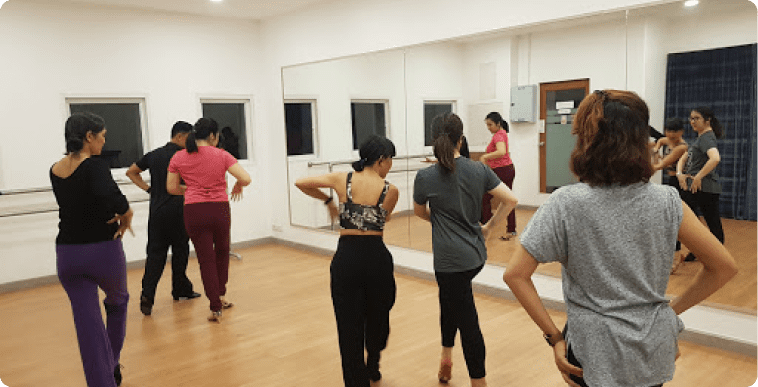
For fitness travellers visiting Singapore, a session at one of the city’s best gyms is not simply a maintenance workout. It is an authentic cultural experience that provides insight into how Singapore’s residents live, socialise, and invest in their health. The boutique fitness class format, in particular, places visitors alongside local members in a shared activity that creates genuine cross-cultural engagement in a natural, unpretentious context.
This experiential dimension distinguishes gym-based fitness tourism from simply maintaining a hotel fitness centre routine. The social environment of a quality Singapore gym class, the instructor interaction, the community atmosphere, and the specific training format all contribute to a travel experience that is genuinely distinctive and memorable rather than generic.
Practical Considerations for Fitness Travellers in Singapore
Fitness travellers planning gym visits in Singapore benefit from several practical preparations:
Most premium boutique fitness studios in Singapore require advance booking for class participation, with popular class times filling several days ahead during peak periods. Booking through studio apps or websites before arriving in Singapore is strongly recommended for visitors with specific schedule constraints.
Singapore’s gym culture is generally welcoming to visitors and first-timers. Most facilities offer straightforward trial or single-visit options that do not require ongoing membership commitments, making them easily accessible for short-stay visitors.
The combination of Singapore’s humidity and the intensity of high-quality fitness classes means hydration requirements are higher than in cooler environments. Arriving at a class well-hydrated and bringing adequate water for the session is more important in Singapore than in temperate gym environments.
TFX Singapore welcomes international visitors as part of its broader commitment to providing a world-class fitness experience that serves Singapore’s diverse international population alongside its resident member community, maintaining the standards that fitness travellers with global reference points expect from a premium Singapore fitness facility.
Singapore’s Fitness Infrastructure as a Destination Asset
Singapore’s tourism authorities have increasingly recognised active wellness as a destination draw that complements the city’s traditional tourism strengths in food, shopping, and cultural attractions. The development of a sophisticated boutique fitness ecosystem that attracts health-conscious visitors adds a dimension to Singapore’s tourism appeal that is growing in relevance as wellness travel becomes a mainstream rather than niche travel category globally.
The best gyms in Singapore contribute to this destination positioning by maintaining standards that justify international travel to access them as part of a broader Singapore experience, rather than simply serving as convenient local alternatives to hotel gym facilities for visitors who would prefer not to interrupt their training routine.