Travel can make fitness feel unfamiliar. The usual gym, instructor, schedule, and routine are gone. Visitors may want to stay active, but joining a class in a new country can feel intimidating. Language, culture, and uncertainty may create hesitation. Dance fitness can reduce some of those barriers because rhythm and movement are easier to follow than detailed verbal instruction.
For visitors exploring zumba classes singapore, dance-based workouts can be an enjoyable way to stay active even without strong local language skills. Music, demonstration, repetition, and group movement make the class easier to follow. Participants may not understand every word, but they can still move, sweat, and enjoy the experience.
Movement Is a Universal Language
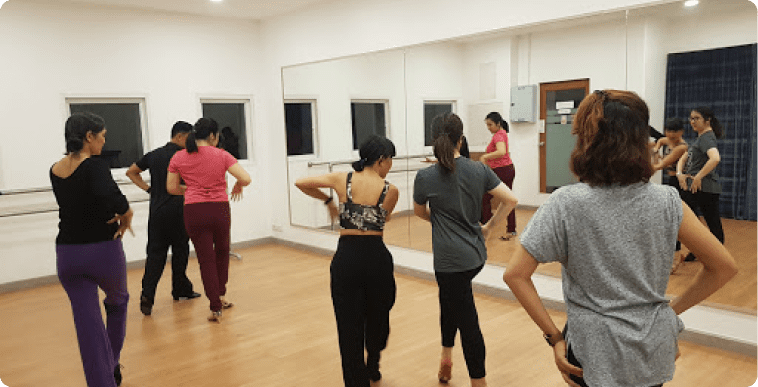
Dance has a unique advantage. People can follow what they see. The instructor demonstrates steps, the music sets rhythm, and participants copy movement patterns. Verbal explanation helps, but it is not always essential.
This makes dance fitness accessible for travellers. A visitor can join a class, watch the instructor, follow the group, and gradually pick up the routine.
The class becomes less about language and more about energy.
Music Helps People Feel Included
Music creates emotional connection quickly. Even if the songs are unfamiliar, rhythm gives participants something to follow. A strong beat can help people move with confidence.
In a new city, this can feel comforting. The traveller may not know many people or understand every local cue, but the music gives the class a shared focus.
This is one reason dance fitness works well across cultures.
Demonstration Reduces Confusion
Good dance fitness instructors use visual cues. They demonstrate movements clearly, signal transitions, and repeat patterns. This helps participants who may not understand all verbal instructions.
Travellers can stand where they have a good view and follow the instructor’s body language.
Over time, repeated steps become easier to recognize.
Dance Classes Are Less Equipment-Dependent
Travellers may feel unsure about using unfamiliar gym equipment. Machines, settings, weights, and layout can be confusing in a new facility. Dance fitness avoids much of that. The main requirement is comfortable clothing, supportive shoes, and willingness to move.
This simplicity makes dance classes easier for visitors.
They can join without needing to learn a new equipment setup.
Group Energy Helps Reduce Awkwardness
Joining a class in a new place can feel awkward at first. But dance fitness often has a lively group atmosphere. Everyone is moving, following music, and focusing on the instructor. This reduces the feeling of being watched.
Mistakes are normal in dance cardio. Even regular participants miss steps sometimes.
That makes the class more forgiving for travellers.
It Keeps Travel Fitness Fun
Travel already includes planning, navigation, and schedule changes. Fitness should not become another stressful task. Dance classes can keep movement enjoyable. They offer a break from sightseeing, meetings, flights, or hotel rooms.
For business travellers, a dance class can provide an evening reset. For holiday travellers, it can add an active experience to the trip.
The session becomes part of the travel memory.
Dance Fitness Works Well Indoors
In Singapore, outdoor workouts can be affected by heat, humidity, and rain. Travellers who are not used to the climate may find outdoor cardio difficult. Indoor dance classes provide a more predictable environment.
Visitors can stay active without worrying about weather or finding safe outdoor routes.
This makes class-based fitness practical during short stays.
Choosing a Class as a Visitor
Travellers should choose classes that match their current energy. After a long flight, a lower-intensity or shorter class may be better. During a longer stay, they may try more energetic sessions.
They should also check booking rules, location, class timing, and whether they need to arrive early.
A smooth first visit improves the experience.
Language Still Matters for Safety
Although dance can be followed visually, participants should still pay attention to safety. If they do not understand a cue, they should slow down and watch. They should avoid forcing movements that feel uncomfortable.
A good instructor will demonstrate options and create a clear flow.
If something feels painful, the participant should stop or modify.
Dance Classes Can Build Local Connection
A class can help travellers feel connected to the city. Instead of only visiting tourist locations or work venues, they participate in a local fitness environment. This can make the trip feel more personal.
Even without much conversation, moving with a group creates a sense of shared experience.
For long-stay visitors, classes can become part of a temporary routine.
It Helps Maintain Momentum
Travel often causes people to pause fitness until they return home. Dance classes can prevent that. Even one or two sessions during a trip can keep the routine alive.
The goal during travel is not always major progress. It may simply be maintaining movement, energy, and identity.
A visitor who stays active is more likely to return to their regular routine smoothly.
Practical Tips for Travellers
Travellers should wear comfortable shoes, bring water, arrive early, and stand where they can see the instructor. They should choose a class that fits their energy level and avoid comparing themselves to regular participants.
The goal is to enjoy movement and stay active.
A dance class is not a performance. It is a workout experience.
Staying Active Across Cultures
Dance fitness shows how movement can cross language barriers. It allows travellers to participate through rhythm, observation, and group energy. That makes it one of the more accessible class formats for visitors.
For travellers comparing class options in Singapore, True Fitness Singapore may be relevant when looking for indoor dance fitness and group classes that are easy to join during a short or extended stay.
FAQ
Can travellers join dance fitness classes without knowing the local language?
Yes. Many dance fitness classes can be followed through demonstration, rhythm, repetition, and group movement.
Are dance classes suitable after a long flight?
A lower-intensity class may be suitable, but travellers should listen to their body and avoid pushing too hard when tired.
What should visitors bring to a dance fitness class?
Comfortable workout clothes, supportive shoes, water, and enough time to arrive early are useful.
Can dance classes help maintain fitness during travel?
Yes. They provide structured movement and help travellers stay active without needing a full gym routine.